Introduction
Vietnam’s Ministry of Industry and Trade (MOIT) officially implemented the Regulations on Carbon-Intensity-Based Classification of Imported Products on May 13, 2026. This policy introduces a tiered import tariff system for galvanized H/C/Z-section steel products, linking customs duties directly to their life-cycle carbon intensity. The move marks Vietnam’s first binding carbon-linked trade measure—and signals a growing regional shift toward embedding climate criteria into trade frameworks, particularly for energy- and emissions-intensive metal products.
Event Overview
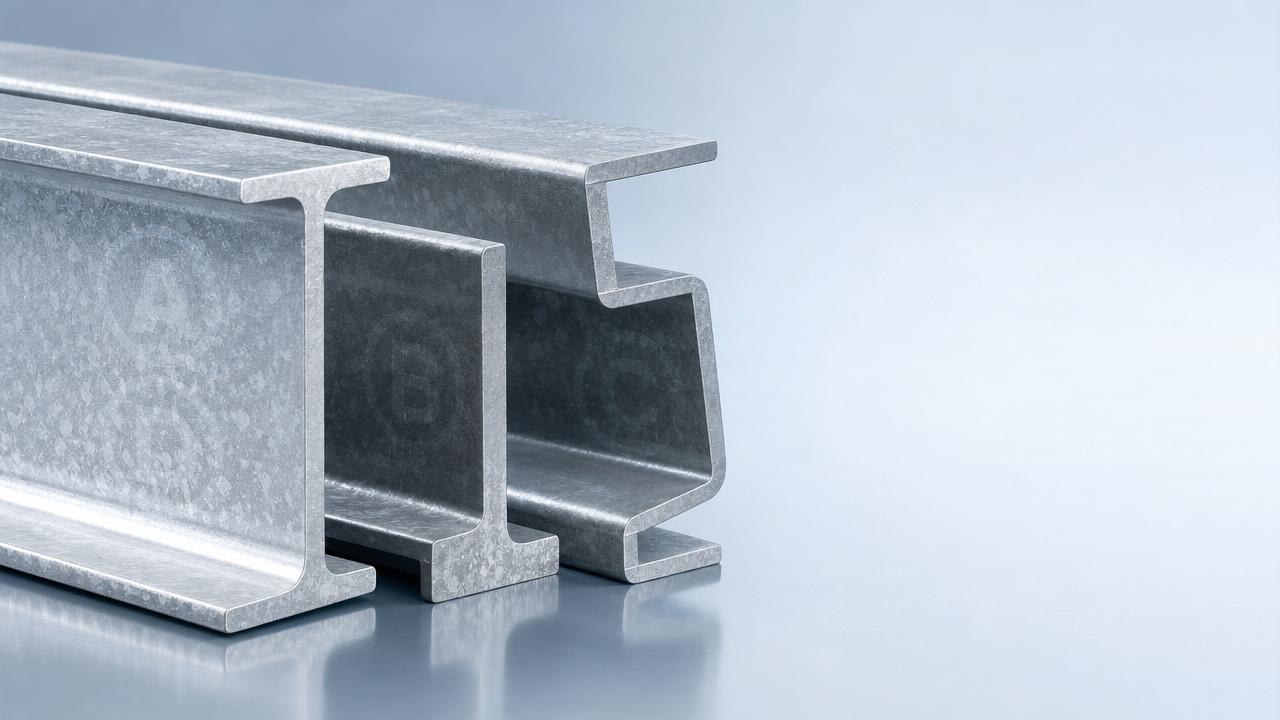
On May 13, 2026, the Vietnamese Ministry of Industry and Trade enacted the Regulations on Carbon-Intensity-Based Classification of Imported Products. Under the regulation, imported galvanized H-, C-, and Z-section steel is classified into four carbon-intensity tiers—A to D—based on verified Life Cycle Assessment (LCA) results. Corresponding Most-Favoured-Nation (MFN) tariff rates range from 12% (Tier A) to 28% (Tier D). Exporters from China must submit an Environmental Product Declaration (EPD) certified by the Vietnam Certification Authority (VNCERT) prior to customs clearance; failure to do so triggers automatic classification as Tier D and application of the 28% tariff.
Industries Affected
Direct Trading Enterprises
Export-oriented trading companies—especially those sourcing galvanized structural steel from Chinese mills—face immediate margin pressure and operational complexity. The requirement to obtain VNCERT-recognized EPDs adds lead time, third-party verification costs, and documentation risk. Since EPD validation is not yet standardized across Chinese producers, inconsistent data quality or lack of LCA capacity may result in de facto downgrading to higher-tariff tiers—even for products with moderate carbon footprints.
Raw Material Procurement Enterprises
Enterprises responsible for upstream material sourcing—including scrap suppliers, zinc refiners, and primary steel feedstock buyers—are indirectly affected. As downstream exporters seek lower-carbon inputs to qualify for Tier A or B, procurement strategies must now weigh carbon intensity alongside price and availability. For example, use of low-CO₂ electric arc furnace (EAF) steel or certified low-carbon zinc may gain competitive advantage—but such inputs remain limited in supply and lack transparent, Vietnam-accepted verification pathways.
Processing and Manufacturing Enterprises
Domestic Vietnamese fabricators importing semi-finished galvanized sections for further processing (e.g., cutting, drilling, assembly into building frames) face cost pass-through and pricing uncertainty. Their input costs are no longer fixed at statutory MFN rates but vary case-by-case based on upstream EPD compliance. This undermines budget predictability and complicates tender submissions for infrastructure or real estate projects where steel cost allocation is tightly controlled.
Supply Chain Service Providers
Logistics firms, customs brokers, and certification support agencies must rapidly adapt service offerings. Brokers now require LCA/EPD literacy to guide clients through documentation requirements; logistics providers may need to coordinate pre-clearance verification timelines; and certification consultants face surging demand for VNCERT-aligned EPD preparation—yet few currently hold formal recognition or local accreditation under the new scheme.
Key Focus Areas and Recommended Actions
Verify EPD Readiness and VNCERT Recognition Status
Exporters should audit whether their current EPDs meet VNCERT’s technical specifications—including scope boundaries (cradle-to-gate vs. cradle-to-port), data sources (primary vs. secondary), and reporting alignment with ISO 14040/14025. Only EPDs issued by VNCERT-accredited program operators qualify; self-declared or non-accredited reports do not suffice.
Conduct Tier-Specific Carbon Baseline Assessments
Manufacturers should commission LCA studies segmented by production route (e.g., blast furnace + continuous galvanizing vs. EAF + batch galvanizing) to identify which product lines can realistically achieve Tier A or B. Analysis shows that galvanizing method, electricity grid mix, and scrap substitution rate are decisive variables—not just raw steel origin.
Engage Early with Vietnamese Importers on Documentation Handover Protocols
Since EPDs must be submitted before customs clearance, exporters and importers should co-develop standardized handover workflows—including version control, translation requirements (if any), and contingency plans for EPD rejection or delay. Observably, lead-time extension of 7–10 working days is emerging as a common buffer in pilot shipments.
Editorial Perspective / Industry Observation
This policy is better understood not as a standalone tariff adjustment, but as Vietnam’s first operational step toward integrating carbon border mechanisms into its ASEAN trade architecture. From an industry perspective, the 12–28% tariff spread is steep enough to incentivize decarbonization action—but narrow enough to avoid triggering WTO challenges on discrimination grounds. Current more critical questions involve scalability: Will VNCERT expand accreditation to international EPD program operators (e.g., EPD International, IBU)? And will Tier thresholds be tightened post-2027? These remain unannounced but are under active discussion within MOIT’s Technical Advisory Group on Green Trade.
Conclusion
The introduction of carbon-intensity-based tariffs for galvanized structural steel reflects a broader recalibration of trade policy priorities in Southeast Asia—where environmental performance is increasingly treated as a tradable attribute. While enforcement remains nascent, the regulatory signal is clear: carbon transparency is no longer optional for market access. For global exporters, this represents both a compliance challenge and a strategic inflection point—to either retrofit existing reporting systems or reposition supply chains around verifiable low-carbon credentials.
Source Attribution
Official text: Regulations on Carbon-Intensity-Based Classification of Imported Products, Circular No. 18/2026/TT-BCT, issued by Vietnam’s Ministry of Industry and Trade, effective May 13, 2026.
Implementation guidance: VNCERT Notice VN-EPD-2026-01, published April 22, 2026.
Status note: VNCERT’s list of accredited EPD program operators is published quarterly and subject to revision; latest update as of May 10, 2026. Ongoing monitoring recommended.
Related Posts
- ▶ Australia's Coking Coal Exports Surge 20% YoY in April 2026
- ▶ US CBP Tightens Steel Origin Verification for H-Beams & I-Beams
- ▶ Iran opens Strait of Hormuz for commercial vessels during ceasefire, risks remain
- ▶ Tata Steel Faces Closure of Coking Units in the Netherlands
- ▶ Nucor Raises Hot-Rolled Coil Prices Again by $10 per Ton in U.S.
- ▶ Global pig iron prices rose by $5–20 per ton in the first half of March
- ▶ Nucor Raises HRC Price to $1,010/Ton - 8th Weekly Increase
- ▶ Tata Steel UK raises hot-rolled coil prices by £125/t
- ▶ Global Steel Production Drops 6.5% in January 2026
- ▶ EU Parliament Seeks Ban on Russian Steel Imports
Online Message


Leave A Message
If you are interested in our products and want to know more details, please leave a message here, we will reply you as soon as we can.