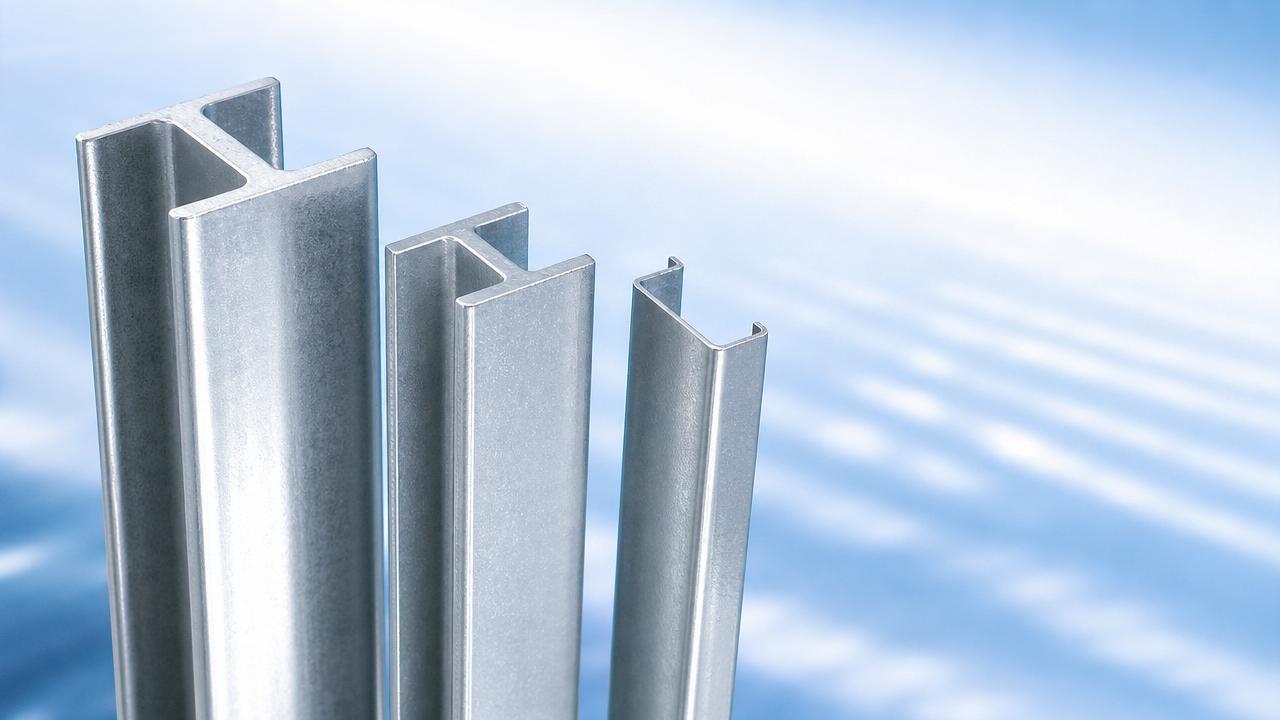
Vietnam’s Ministry of Industry and Trade (MOIT) announced on May 11, 2026, that import quotas for galvanized structural steel products—including H-beams and C/Z purlins—will be abolished effective June 1, 2026. Simultaneously, a pilot carbon-intensity-based tariff system will launch under the newly adopted Imported Steel Carbon Intensity Assessment Regulation (QCVN 72:2026). This development directly affects exporters, importers, fabricators, and supply chain stakeholders in the steel and construction materials sectors—and signals a structural shift toward low-carbon trade criteria in Southeast Asia.
Event Overview
On May 11, 2026, Vietnam’s Ministry of Industry and Trade (MOIT) issued an official notice confirming the removal of import quotas for galvanized structural steel products—including H-section beams and C/Z-shaped purlins—effective June 1, 2026. Concurrently, MOIT activated QCVN 72:2026, the Imported Steel Carbon Intensity Assessment Regulation, which introduces a tiered supplementary tariff ranging from 0% to 12%, calculated based on the supplier’s verified Environmental Product Declaration (EPD) reporting Scope 1 and Scope 2 greenhouse gas emissions (in tCO₂e per tonne of steel). Under this regulation, Chinese exporters with EPD-reported carbon intensity ≤ 0.85 tCO₂e/t face no additional tariff; those exceeding 1.2 tCO₂e/t are subject to a 12% levy.
Which Subsectors Are Affected
Direct Exporters (e.g., Chinese Steel Producers)
Exporters supplying galvanized structural steel to Vietnam are directly subject to both quota removal and carbon-based tariff assessment. The elimination of quotas lowers administrative barriers but increases competitive differentiation based on verifiable decarbonization performance—not just price or delivery terms.
Steel Fabricators & Construction Material Processors
Fabricators importing semi-finished or finished galvanized sections for downstream assembly (e.g., roof systems, modular frames) face revised landed cost calculations. Input cost volatility may increase due to tariff tiers tied to upstream suppliers’ EPD data—making traceability and supplier selection more operationally critical.
Trading & Distribution Companies
Trading firms handling cross-border steel logistics must now verify and document EPD compliance for each shipment. Their role expands beyond customs clearance to include carbon data validation, documentation alignment with QCVN 72:2026 requirements, and potential liability for misreported carbon intensity claims.
Supply Chain Service Providers (e.g., EPD Verification Bodies, Certification Agencies)
Third-party providers supporting EPD preparation, ISO 14040/14044 compliance, or GHG inventory verification are likely to see increased demand—particularly from Chinese exporters seeking to qualify for the 0% tariff bracket. However, only EPDs accepted under Vietnam’s recognized verification framework will be valid for tariff assessment.
What Relevant Enterprises or Practitioners Should Focus On and How to Respond Now
Monitor Official Implementation Guidance from MOIT and Vietnamese Customs
The regulation is effective June 1, 2026, but detailed operational instructions—including accepted EPD formats, verification body accreditation criteria, and tariff calculation methodology—have not yet been published. Enterprises should track MOIT circulars and Vietnamese General Department of Vietnam Customs notices for procedural clarity before shipment scheduling.
Identify and Prioritize Suppliers with Verified EPDs Below 0.85 tCO₂e/t
For importers and fabricators, sourcing decisions must now incorporate carbon intensity thresholds as a hard criterion—not just quality or lead time. Chinese producers with publicly available, third-party-verified EPDs meeting the ≤0.85 tCO₂e/t benchmark should be prioritized for new contracts and tender submissions targeting Vietnam.
Distinguish Between Policy Signal and Enforceable Requirement
This is a pilot program under QCVN 72:2026—not a full-scale regulatory regime. Its scope is limited to specified galvanized structural steel categories; it does not currently apply to hot-rolled billets, rebar, or non-galvanized sections. Enterprises should avoid overgeneralizing its applicability across all steel imports.
Prepare Documentation Infrastructure for EPD Submission and Audit Readiness
Exporters and traders should begin assembling required documentation—including EPD reports, verification certificates, mill test reports, and process flow descriptions—for customs submission. Internal alignment between sales, technical, and sustainability teams is essential to ensure consistency in declared carbon values across shipments.
Editorial Perspective / Industry Observation
Observably, this policy shift reflects Vietnam’s dual-track approach: liberalizing market access while embedding climate accountability into trade mechanics. Analysis shows the carbon tariff pilot is less about immediate revenue generation and more about incentivizing low-carbon sourcing behavior among key trading partners—particularly China, Vietnam’s largest steel supplier. From an industry perspective, the move better aligns with Vietnam’s broader National Green Growth Strategy and its commitments under the ASEAN Net Zero Framework. It is currently best understood as a regulatory signal—testing feasibility and stakeholder readiness—rather than a fully matured compliance regime. Continued observation is warranted on whether the pilot expands to other steel categories or integrates with Vietnam’s planned domestic carbon pricing mechanism post-2027.
Concluding, this measure marks a consequential step in the regional recalibration of steel trade governance—not through protectionist quotas, but via environmental performance as a market-access criterion. It does not eliminate competition; rather, it reshapes its parameters. For stakeholders, the current priority is not broad strategic realignment, but precise, documentation-led operational adaptation to a new layer of trade conditionality.
Source: Vietnam Ministry of Industry and Trade (MOIT), Official Notice No. 2026/MOIT-CT dated May 11, 2026; QCVN 72:2026, Imported Steel Carbon Intensity Assessment Regulation.
Note: Implementation guidelines, accredited verification bodies list, and EPD format specifications remain pending publication and are subject to ongoing monitoring.
Related Posts
- ▶ Australia's Coking Coal Exports Surge 20% YoY in April 2026
- ▶ US CBP Tightens Steel Origin Verification for H-Beams & I-Beams
- ▶ Iran opens Strait of Hormuz for commercial vessels during ceasefire, risks remain
- ▶ Tata Steel Faces Closure of Coking Units in the Netherlands
- ▶ Nucor Raises Hot-Rolled Coil Prices Again by $10 per Ton in U.S.
- ▶ Global pig iron prices rose by $5–20 per ton in the first half of March
- ▶ Nucor Raises HRC Price to $1,010/Ton - 8th Weekly Increase
- ▶ Tata Steel UK raises hot-rolled coil prices by £125/t
- ▶ Global Steel Production Drops 6.5% in January 2026
- ▶ EU Parliament Seeks Ban on Russian Steel Imports
Online Message


Leave A Message
If you are interested in our products and want to know more details, please leave a message here, we will reply you as soon as we can.