NEWS
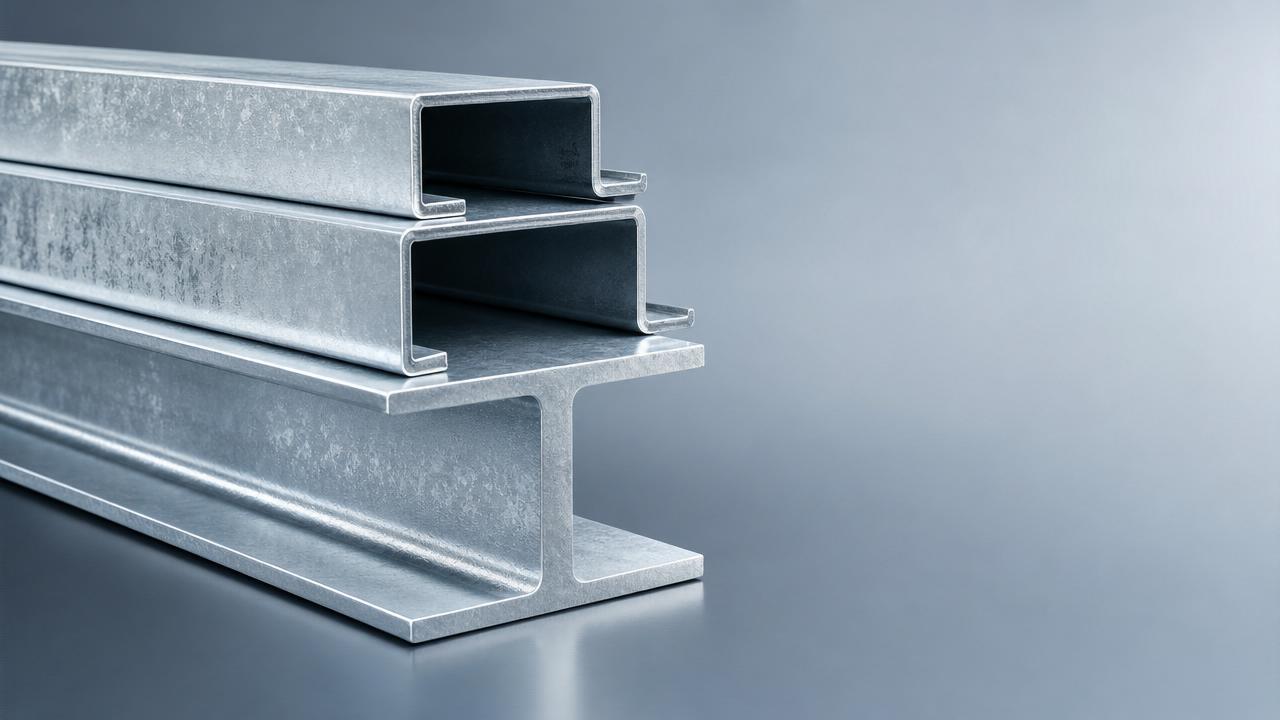
Vietnam’s Ministry of Industry and Trade (MOIT) issued Technical Circular No. 28/TB-BCT on May 9, 2026, mandating new testing requirements for imported structural steel sections—including H-beams and C-section purlins—effective June 1, 2026. The revision introduces a compulsory hot-dip galvanized (HDG) coating adhesion test, impacting exporters, distributors, and supply chain actors engaged in Vietnam’s construction materials trade.
Event Overview
On May 9, 2026, the Ministry of Industry and Trade of Vietnam published Technical Circular No. 28/TB-BCT. Starting June 1, 2026, all imports of structural steel sections—including H-beams and C-section purlins—must be accompanied by a ‘galvanized coating adhesion bend test report’ conducted by a Vietnam-recognized laboratory and compliant with ASTM A924/A924M-22. This requirement supplements existing dimensional and mechanical property inspections.
Which Subsectors Are Affected
Direct Exporters (e.g., Chinese Steel Suppliers)
Exporters supplying structural steel to Vietnam must now arrange third-party HDG adhesion testing prior to shipment. This adds lead time and cost—particularly for suppliers without pre-established testing partnerships in Vietnam or accredited labs in their home country.
Distributors & Wholesalers in Vietnam
Vietnamese distributors face longer customs clearance cycles due to mandatory submission and verification of the new test report. This disrupts quarterly restocking schedules, especially for projects with tight timelines or seasonal demand peaks.
Downstream Fabricators & Construction Contractors
While not directly subject to import inspection, fabricators relying on just-in-time delivery of imported sections may experience material delays or increased procurement costs—potentially affecting bid pricing and project timelines.
Supply Chain Service Providers (e.g., Customs Agents, Testing Coordinators)
Service providers supporting import compliance must update documentation checklists and client advisories to include ASTM A924/A924M-22 reporting. Capacity constraints at Vietnam-recognized labs may also emerge, requiring earlier scheduling coordination.
What Relevant Enterprises or Practitioners Should Focus On and How to Respond
Monitor Official Updates on Lab Recognition and Test Interpretation
The MOIT has not yet published a public list of laboratories authorized to issue ASTM A924/A924M-22–compliant reports for import clearance. Exporters and distributors should track MOIT and General Department of Vietnam Customs announcements for updated recognition criteria or procedural clarifications.
Prioritize Testing for High-Volume or Time-Sensitive Shipments
Given anticipated lab capacity pressure ahead of the June 1 effective date, enterprises should identify priority SKUs—such as commonly used C-purlin grades or standard H-beam sizes—and schedule testing well in advance to avoid bottlenecks.
Distinguish Between Policy Signal and Operational Implementation
The circular mandates the test report but does not specify whether retrospective validation applies to shipments already en route or under contract before June 1. Enterprises should confirm with Vietnamese customs agents whether transitional arrangements exist—and treat early-June shipments as subject to full compliance unless official guidance states otherwise.
Update Internal Procurement and Documentation Workflows
Procurement teams should revise supplier contracts to require ASTM A924/A924M-22 test reports as a condition of delivery. Quality assurance units must integrate the new report into incoming goods inspection protocols, including verification of lab accreditation status and test method alignment.
Editorial Perspective / Industry Observation
Observably, this amendment reflects Vietnam’s broader trend toward tightening technical compliance for imported construction materials—particularly where corrosion resistance affects long-term infrastructure safety and durability. Analysis shows the HDG adhesion test is not merely a procedural addition but signals heightened scrutiny of surface treatment quality, which has historically been under-enforced in structural steel imports. From an industry perspective, it is more accurately understood as an enforcement signal than a fully matured regulatory framework: while the requirement is binding, implementation details—including lab capacity, interpretation of pass/fail criteria, and potential appeals processes—remain subject to clarification. Continuous monitoring is warranted as initial clearance experiences accumulate post–June 1.
This circular underscores how seemingly narrow technical revisions can propagate across global supply chains—especially in sectors where standardized components cross borders repeatedly. It highlights the growing operational weight of localized conformity assessment in emerging markets, where harmonization with international standards (e.g., ASTM) coexists with nationally administered verification.
Conclusion
This regulatory update does not represent a market access restriction, but rather a shift in compliance execution—elevating verification rigor for a specific performance attribute (zinc coating adhesion) in a defined product category. For stakeholders, it is best understood not as an isolated change, but as part of Vietnam’s incremental alignment of import controls with domestic infrastructure quality expectations. Pragmatic response—not alarm—is appropriate; however, proactive documentation planning and lab coordination are now operationally necessary for uninterrupted trade flow.
Source Attribution
Main source: Vietnam Ministry of Industry and Trade (MOIT), Technical Circular No. 28/TB-BCT, issued May 9, 2026.
Points requiring ongoing observation: Official list of recognized laboratories; clarification on transitional application for shipments booked before June 1, 2026; and field-level interpretation of ASTM A924/A924M-22 pass criteria by Vietnam customs authorities.
Related Posts
- ▶ Australia's Coking Coal Exports Surge 20% YoY in April 2026
- ▶ US CBP Tightens Steel Origin Verification for H-Beams & I-Beams
- ▶ Iran opens Strait of Hormuz for commercial vessels during ceasefire, risks remain
- ▶ Tata Steel Faces Closure of Coking Units in the Netherlands
- ▶ Nucor Raises Hot-Rolled Coil Prices Again by $10 per Ton in U.S.
- ▶ Global pig iron prices rose by $5–20 per ton in the first half of March
- ▶ Nucor Raises HRC Price to $1,010/Ton - 8th Weekly Increase
- ▶ Tata Steel UK raises hot-rolled coil prices by £125/t
- ▶ Global Steel Production Drops 6.5% in January 2026
- ▶ EU Parliament Seeks Ban on Russian Steel Imports
Online Message


Leave A Message
If you are interested in our products and want to know more details, please leave a message here, we will reply you as soon as we can.