NEWS
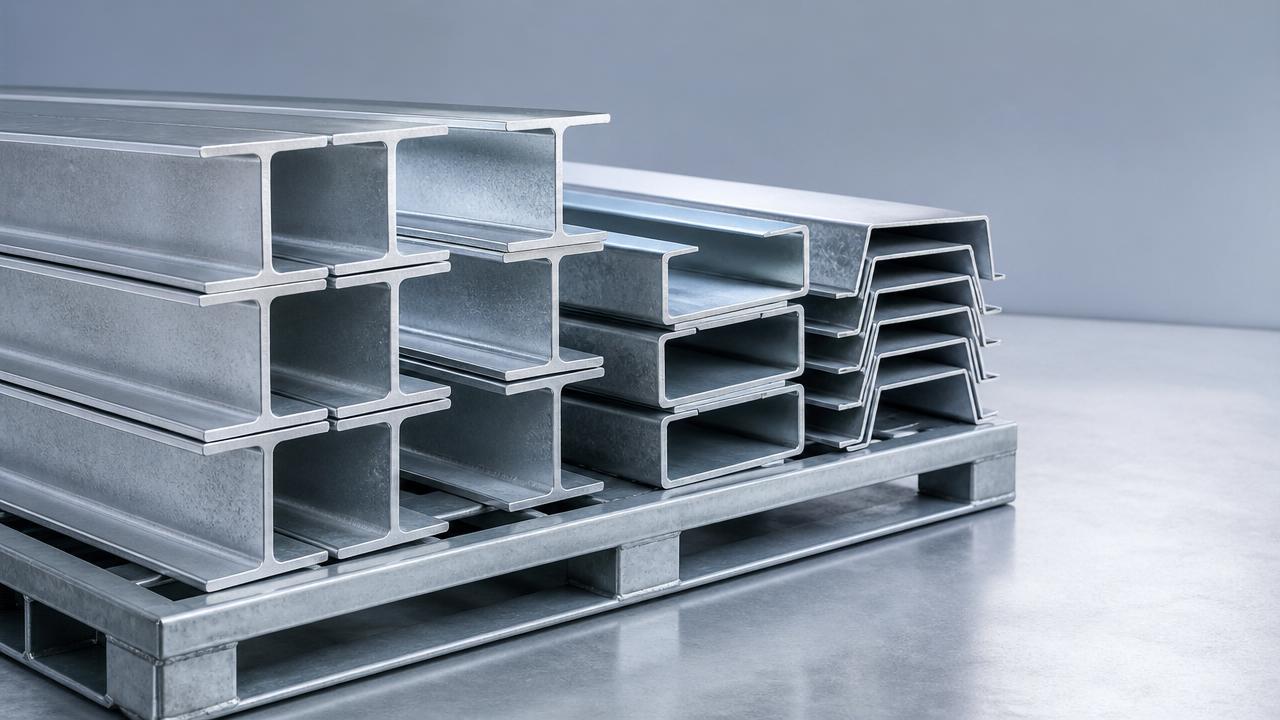
On May 4, 2026, the U.S. Department of Commerce initiated an expedited sunset review of the antidumping duty order on hot-dip galvanized structural shapes — including H-beams, C/Z purlins, and similar fabricated steel sections — originating from China. This action directly affects U.S. importers, downstream fabricators, and global supply chain stakeholders engaged in construction, infrastructure, and metal building systems.
Event Overview
The U.S. Department of Commerce formally launched an expedited sunset review (Expedited Sunset Review) on May 4, 2026, concerning the antidumping duty order on hot-dip galvanized structural shapes from China. The review will assess whether the existing antidumping duties should be continued or revoked upon expiration of the current order. No further procedural details, such as respondent selection or timeline for preliminary findings, have been publicly released as of the initiation date.
Industries Affected by Segment
Direct Trading Enterprises
U.S.-based importers and trading companies handling Chinese-sourced galvanized structural shapes face immediate uncertainty regarding landed cost, customs clearance timelines, and documentation compliance. The review may lead to reinstatement or adjustment of antidumping duties, directly impacting margin calculations and commercial terms with suppliers.
Raw Material Procurement Entities
Procurement departments at U.S. construction firms, EPC contractors, and industrial developers relying on cost-competitive Chinese galvanized sections must reassess sourcing strategies. Any duty reinstatement could shift procurement weight toward alternative origins (e.g., Vietnam, Mexico) or domestic producers — but only if equivalent specifications, certifications, and lead times are available.
Downstream Fabrication & Manufacturing Firms
Companies that cut, drill, weld, or assemble imported galvanized structural shapes into building components (e.g., roof trusses, wall frames) may experience input cost volatility and scheduling delays. Their ability to pass through tariff-related cost increases depends on contractual terms and competitive positioning within regional markets.
Supply Chain & Logistics Service Providers
Custodians, bonded warehouse operators, and customs brokers supporting cross-border movement of these goods must monitor classification accuracy (HTSUS 7308.90.60, 7308.90.90), origin documentation, and potential CBP scrutiny during entry. A duty reinstatement would increase recordkeeping requirements and audit exposure.
Key Focus Areas and Recommended Actions
Monitor Official Notices and Procedural Deadlines
Track updates via the Federal Register and the International Trade Administration’s Antidumping Duty Orders database. Key milestones include the deadline for interested parties to submit comments (typically 30 days post-initiation) and the scheduled date for the preliminary determination (if issued).
Review Product Scope and Origin Documentation
Verify whether specific items in current procurement — especially those with hybrid processing (e.g., cold-formed then hot-dip galvanized offshore) — fall within the defined scope. Ensure all supplier-provided origin affidavits and mill test reports align with U.S. DOC’s definition of ‘hot-dip galvanized structural shapes’.
Distinguish Policy Signal from Operational Impact
This is a procedural review, not an automatic duty extension. While the current order remains in effect during the review, no new duties are imposed until a final determination is published. Avoid premature contract renegotiations or inventory overstocking based solely on initiation.
Prepare for Dual-Sourcing and Certification Alignment
Begin qualifying alternative suppliers whose products carry ISO 1461-compliant galvanizing certifications and full traceability records. Prioritize vendors able to provide batch-level zinc coating thickness reports and third-party verification — features increasingly weighted in U.S. compliance assessments.
Editorial Perspective / Industry Observation
Observably, this sunset review functions primarily as a policy signal rather than an immediate operational trigger. It reflects ongoing U.S. administrative diligence under the Uruguay Round Agreements Act, not necessarily a shift in trade enforcement posture. Analysis shows that past sunset reviews for similar steel products have resulted in continuation over 85% of the time — but outcomes remain case-specific and contingent on evidence submitted by domestic petitioners and foreign respondents. From an industry perspective, the review underscores how regulatory continuity — rather than novelty — shapes long-term procurement planning in structural steel categories.
Current more appropriate understanding is that this event marks the start of a 120-day procedural window, not a de facto tariff change. Stakeholders should treat it as a routine compliance checkpoint requiring documentation hygiene and horizon scanning — not a crisis requiring strategic pivot.
Conclusion: The initiation of this sunset review reaffirms the enduring relevance of antidumping measures in the U.S. structural steel import regime. Its significance lies less in immediate disruption and more in reinforcing the need for robust origin verification, standardized coating certification, and proactive engagement with trade remedy timelines. For affected enterprises, sustained attention to official notices — rather than reactive speculation — remains the most operationally sound response.
Information Source: U.S. Department of Commerce, International Trade Administration — Federal Register Notice Vol. 91, No. 86, May 4, 2026. Ongoing developments, including respondent participation status and preliminary findings, remain subject to official publication and require continuous monitoring.
Related Posts
- ▶ US CBP Tightens Steel Origin Verification for H-Beams & I-Beams
- ▶ Iran opens Strait of Hormuz for commercial vessels during ceasefire, risks remain
- ▶ Tata Steel Faces Closure of Coking Units in the Netherlands
- ▶ Nucor Raises Hot-Rolled Coil Prices Again by $10 per Ton in U.S.
- ▶ Global pig iron prices rose by $5–20 per ton in the first half of March
- ▶ Nucor Raises HRC Price to $1,010/Ton - 8th Weekly Increase
- ▶ Tata Steel UK raises hot-rolled coil prices by £125/t
- ▶ Global Steel Production Drops 6.5% in January 2026
- ▶ EU Parliament Seeks Ban on Russian Steel Imports
- ▶ Nucor raises prices for hot-rolled coil in the US for the second week in a row
Online Message


Leave A Message
If you are interested in our products and want to know more details, please leave a message here, we will reply you as soon as we can.