NEWS
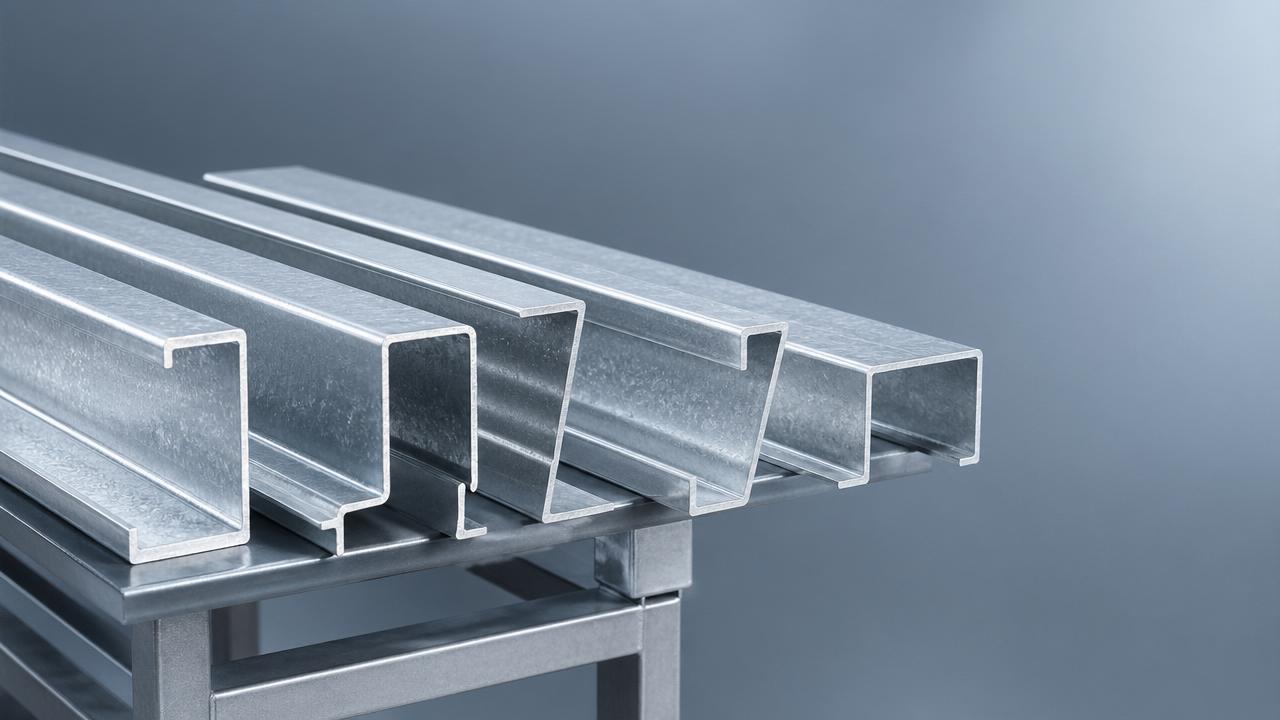
On April 30, 2026, the U.S. Department of Commerce (USDOC) initiated the first expedited sunset review of the antidumping duty order on galvanized steel products from China—including galvanized C-sections, Z-purlins, and other cold-formed structural base sheets. This action directly affects exporters, fabricators, and downstream supply chain participants engaged in U.S.-bound trade of coated structural steel products.
Event Overview
The U.S. Department of Commerce published a notice on April 30, 2026, formally launching the first expedited sunset review (Expedited Sunset Review) of the antidumping duty order covering galvanized steel products originating in China. The review covers galvanized C-shaped steel, Z-shaped purlins, and related cold-formed structural base sheets. Affected Chinese exporters are required to complete preliminary respondent registration and submit documentation—including production capacity data, export volume figures, and evidence of related-party transactions—within 72 hours of the notice’s publication.
Industries Affected by Segment
Direct Exporters
Chinese manufacturers and trading companies that ship galvanized C-sections or Z-purlins directly to the U.S. face immediate procedural obligations. Failure to meet the 72-hour deadline for preliminary registration may result in exclusion from the review process and automatic application of the original, higher antidumping duty rates for the next five years.
Downstream Fabricators & Assemblers
U.S.-based or third-country fabricators using Chinese-origin galvanized base sheets as input material may experience upstream cost volatility. If the review confirms continuation of duties—and especially if rates increase—the landed cost of compliant structural components could rise, affecting bid competitiveness in construction and infrastructure projects.
Raw Material Suppliers & Roll-Forming Service Providers
Domestic and regional suppliers of hot-rolled coil (HRC) or pre-galvanized substrates used in cold-forming operations may see shifting demand patterns. Should U.S. importers seek alternative sourcing to avoid tariff exposure, demand for non-Chinese substrate inputs—or for domestically rolled and coated material—could increase modestly over the review period.
Supply Chain & Trade Compliance Service Providers
Firms offering customs classification support, antidumping response coordination, or regulatory due diligence services will likely see short-term demand spikes. The compressed 72-hour window for initial submissions places high priority on rapid document preparation, entity verification, and intercompany transaction mapping—functions typically outsourced to specialized compliance partners.
What Relevant Enterprises or Practitioners Should Focus On and How to Respond Now
Monitor Official USDOC Communications Closely
The USDOC’s Federal Register notice is the sole authoritative source at this stage. Companies must track any follow-up instructions—such as extensions, clarification letters, or revised questionnaire templates—issued via official channels, not secondary summaries or industry forums.
Prioritize Documentation Readiness for Base Sheet-Level Exports
Only galvanized C-sections, Z-purlins, and their cold-formed structural base sheets fall under this review—not all galvanized steel products. Firms should verify whether their specific HS codes, product specifications, and end-use applications align with the scope definition before allocating internal resources.
Distinguish Between Procedural Deadlines and Substantive Outcomes
The 72-hour requirement applies solely to preliminary registration and initial submission—not final determination. A timely response does not guarantee favorable duty treatment; it only preserves eligibility to participate in the full review. The final outcome remains subject to separate analysis and potential administrative review.
Prepare Intercompany Transaction Records in Advance
The notice explicitly requests evidence of related-party relationships—including pricing mechanisms, transfer agreements, and functional roles across entities. Companies with complex ownership structures or contract manufacturing arrangements should assemble supporting documentation now, rather than waiting for formal questionnaire issuance.
Editorial Perspective / Industry Observation
Observably, this sunset review functions primarily as a procedural checkpoint—not an immediate tariff adjustment. Under U.S. law, sunset reviews assess whether termination of the existing order would likely lead to continuation or recurrence of dumping and material injury. Analysis shows the outcome will hinge less on current market conditions and more on historical compliance records, domestic industry petition strength, and respondent participation quality. From an industry perspective, the urgency lies not in predicting the final rate, but in avoiding procedural disqualification that would lock in default margins for five years. Current more relevant signals include the narrow product scope and the strict timeline—both indicating heightened enforcement discipline rather than broad policy shift.
Conclusion
This sunset review represents a targeted, time-bound administrative process—not a new investigation or tariff imposition. Its significance lies in reinforcing the durability of existing trade remedy measures and underscoring the operational importance of responsive trade compliance capacity among Chinese exporters serving the U.S. structural steel market. It is better understood as a routine statutory reassessment with high procedural stakes, rather than a signal of imminent escalation or de-escalation in U.S.–China steel trade policy.
Information Source
Main source: U.S. Department of Commerce, Federal Register Notice dated April 30, 2026 (Case No. A-570-XXXX, Antidumping Duty Order on Galvanized Steel Products from the People’s Republic of China). Ongoing developments—including final determination timing and potential appeal procedures—remain subject to official USDOC updates and require continued monitoring.
Related Posts
- ▶ US CBP Tightens Steel Origin Verification for H-Beams & I-Beams
- ▶ Iran opens Strait of Hormuz for commercial vessels during ceasefire, risks remain
- ▶ Tata Steel Faces Closure of Coking Units in the Netherlands
- ▶ Nucor Raises Hot-Rolled Coil Prices Again by $10 per Ton in U.S.
- ▶ Global pig iron prices rose by $5–20 per ton in the first half of March
- ▶ Nucor Raises HRC Price to $1,010/Ton - 8th Weekly Increase
- ▶ Tata Steel UK raises hot-rolled coil prices by £125/t
- ▶ Global Steel Production Drops 6.5% in January 2026
- ▶ EU Parliament Seeks Ban on Russian Steel Imports
- ▶ Nucor raises prices for hot-rolled coil in the US for the second week in a row
Online Message


Leave A Message
If you are interested in our products and want to know more details, please leave a message here, we will reply you as soon as we can.