NEWS
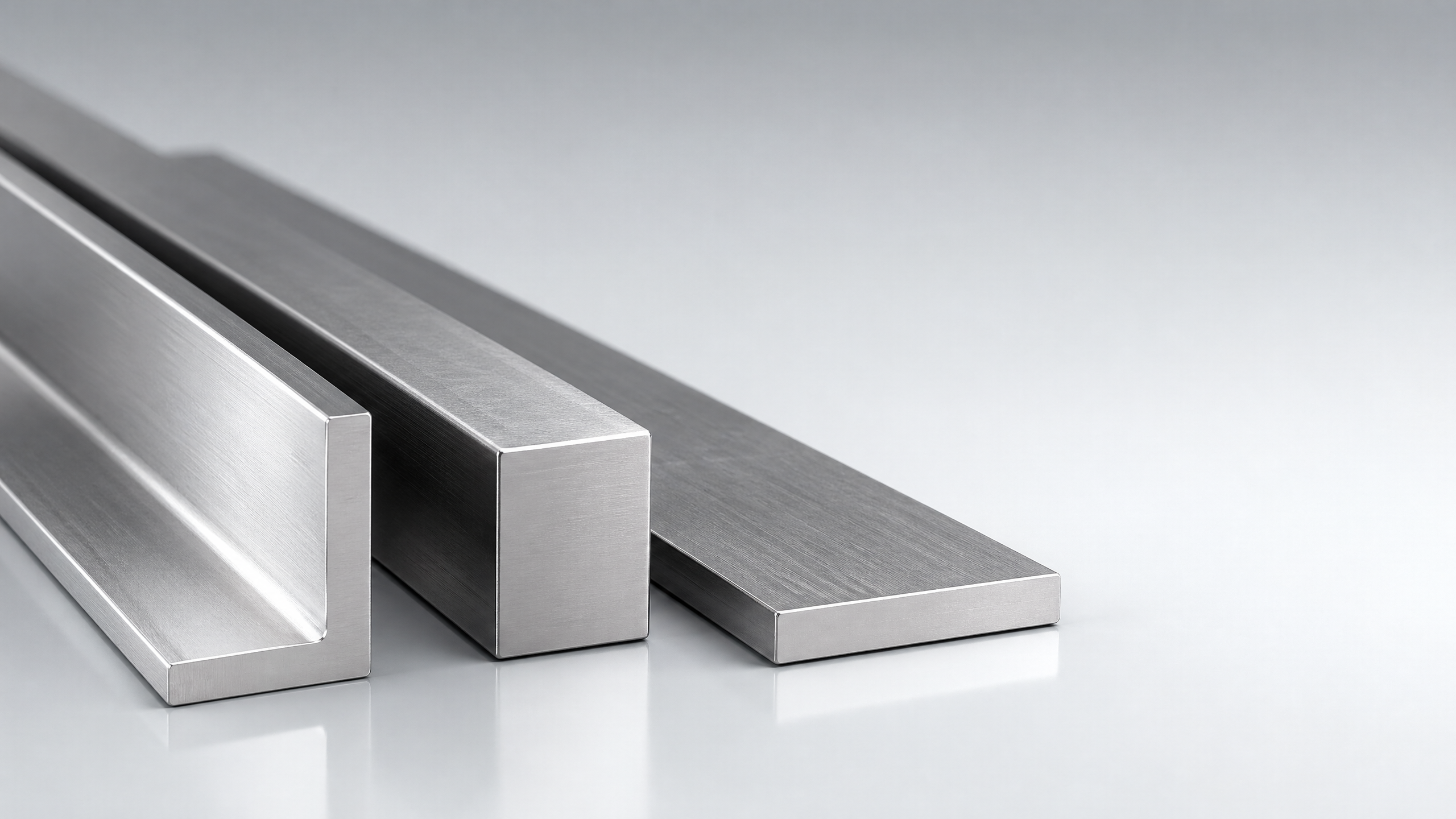
The European Commission has initiated an anti-dumping interim review targeting stainless steel angles, squares, and flats originating from China — a development with direct implications for exporters, fabricators, and supply chain stakeholders active in EU-bound stainless steel trade. Announced on 28 April 2026 in the Official Journal of the European Union (OJ L 112/2026), the review affects products under CN codes 7222.20 and 7222.30. With the response deadline set for 27 June 2026, companies involved in production, export, or distribution of these stainless steel sections must assess exposure and prepare submissions within the 60-day window.
Event Overview
On 28 April 2026, the European Commission published Regulation (EU) 2026/XXX in Official Journal L 112/2026, launching an interim anti-dumping review concerning stainless steel angles, squares, and flats (CN codes 7222.20, 7222.30) originating in the People’s Republic of China. The review seeks to reassess the existing anti-dumping duties, currently ranging from 17.8% to 32.4%. Interested parties are required to submit response forms and supporting evidence by 27 June 2026.
Which Subsectors Are Affected
Direct Exporters of Stainless Steel Sections
Companies exporting stainless steel angles, squares, or flats classified under CN 7222.20 or 7222.30 to the EU face potential duty recalibration. A revised rate — higher or lower — could directly impact landed cost competitiveness, profit margins, and contract renewals with EU importers. Non-participation in the review may result in application of the ‘non-cooperating’ duty rate, which historically exceeds the weighted average.
Downstream Fabricators & Processors
Firms sourcing raw or semi-finished stainless steel sections from Chinese suppliers for further processing (e.g., cutting, bending, welding into structural components) may encounter upstream price volatility. Should the review lead to increased duties, procurement costs may rise, triggering renegotiation of supply agreements or prompting sourcing diversification — especially where EU-based customers require duty-transparent cost structures.
EU-Based Importers & Distributors
Importers and distributors handling Chinese-origin stainless steel sections must monitor the review’s progress closely, as any change in duty rates will affect customs valuation, VAT calculation, and inventory costing. They may also be asked to provide sales data or cooperation letters during the investigation — particularly if acting as related parties or sole EU representatives for Chinese producers.
What Relevant Companies or Practitioners Should Focus On — And How to Respond Now
Track official communications and procedural deadlines rigorously
The European Commission’s case registry (case number AD659) and subsequent notices — including questionnaire releases, sampling decisions, and verification timelines — must be monitored via the EU Trade Access Portal. Missing the 27 June 2026 submission deadline precludes formal participation; extensions are not granted under standard practice.
Verify product classification and transaction-level exposure
Companies should cross-check actual exported goods against CN codes 7222.20 and 7222.30 using Harmonized System descriptions and recent EU customs rulings. Minor variations in shape, finish, or heat treatment may fall outside the scope — but only if explicitly excluded in the OJ notice. Transaction-level analysis (volume, value, buyer location) helps prioritize response efforts across multiple EU member states.
Prepare documentation aligned with EU investigation standards
Required materials include audited financial statements, production cost records, domestic and export sales ledgers, and evidence of normal value (e.g., domestic pricing, third-country sales). All documents must be translated into English or French and certified where necessary. Preliminary internal reviews — especially of transfer pricing and related-party transactions — reduce risk of data rejection during verification.
Assess contingency options ahead of final determination
Given that the review outcome may take up to 9–12 months to conclude, companies should evaluate alternatives now: e.g., adjusting incoterms to shift tariff liability, exploring parallel sourcing from non-targeted countries (subject to origin rules), or engaging EU importers in joint representation. Any such steps must comply with EU Rules of Origin and avoid circumvention allegations.
Editorial Perspective / Industry Observation
Observably, this is not a new investigation but a mid-term reassessment — meaning the current duties remain fully applicable until a new regulation enters force. Analysis shows the timing aligns with typical EU review cycles following initial measures imposed in 2023, suggesting procedural routine rather than sudden escalation. However, the narrow product scope (focused on basic rolled sections, not finished fabricated parts) signals continued scrutiny of upstream commodity inputs in strategic metals. From an industry perspective, this review functions less as an immediate disruption and more as a signal of sustained regulatory attention — one requiring structured, evidence-based engagement rather than reactive posture.
Current monitoring priorities include whether the Commission initiates parallel countervailing duty probes, expands sampling to additional exporters, or references evolving WTO jurisprudence on ‘particular market situation’ methodologies. These elements — though not yet confirmed — would indicate deeper systemic concerns beyond pricing alone.
Conclusion
This interim review does not alter existing duties overnight, nor does it suspend market access. Rather, it introduces a time-bound procedural opportunity — and obligation — for affected Chinese exporters and their EU partners to formally influence the next three years of tariff treatment. Its significance lies not in novelty, but in enforceability: failure to respond within the stipulated 60 days forfeits the chance to substantively shape the outcome. For stakeholders, the event is best understood as a scheduled checkpoint in ongoing EU trade policy implementation — demanding precision, preparation, and procedural discipline.
Information Source
Main source: Official Journal of the European Union, L 112/2026, published 28 April 2026. Case reference: AD659. Further developments — including questionnaire issuance, sampling list, and verification schedule — remain subject to official updates and require continuous monitoring.
Related Posts
- ▶ US CBP Tightens Steel Origin Verification for H-Beams & I-Beams
- ▶ Iran opens Strait of Hormuz for commercial vessels during ceasefire, risks remain
- ▶ Tata Steel Faces Closure of Coking Units in the Netherlands
- ▶ Nucor Raises Hot-Rolled Coil Prices Again by $10 per Ton in U.S.
- ▶ Global pig iron prices rose by $5–20 per ton in the first half of March
- ▶ Nucor Raises HRC Price to $1,010/Ton - 8th Weekly Increase
- ▶ Tata Steel UK raises hot-rolled coil prices by £125/t
- ▶ Global Steel Production Drops 6.5% in January 2026
- ▶ EU Parliament Seeks Ban on Russian Steel Imports
- ▶ Nucor raises prices for hot-rolled coil in the US for the second week in a row
Online Message


Leave A Message
If you are interested in our products and want to know more details, please leave a message here, we will reply you as soon as we can.